
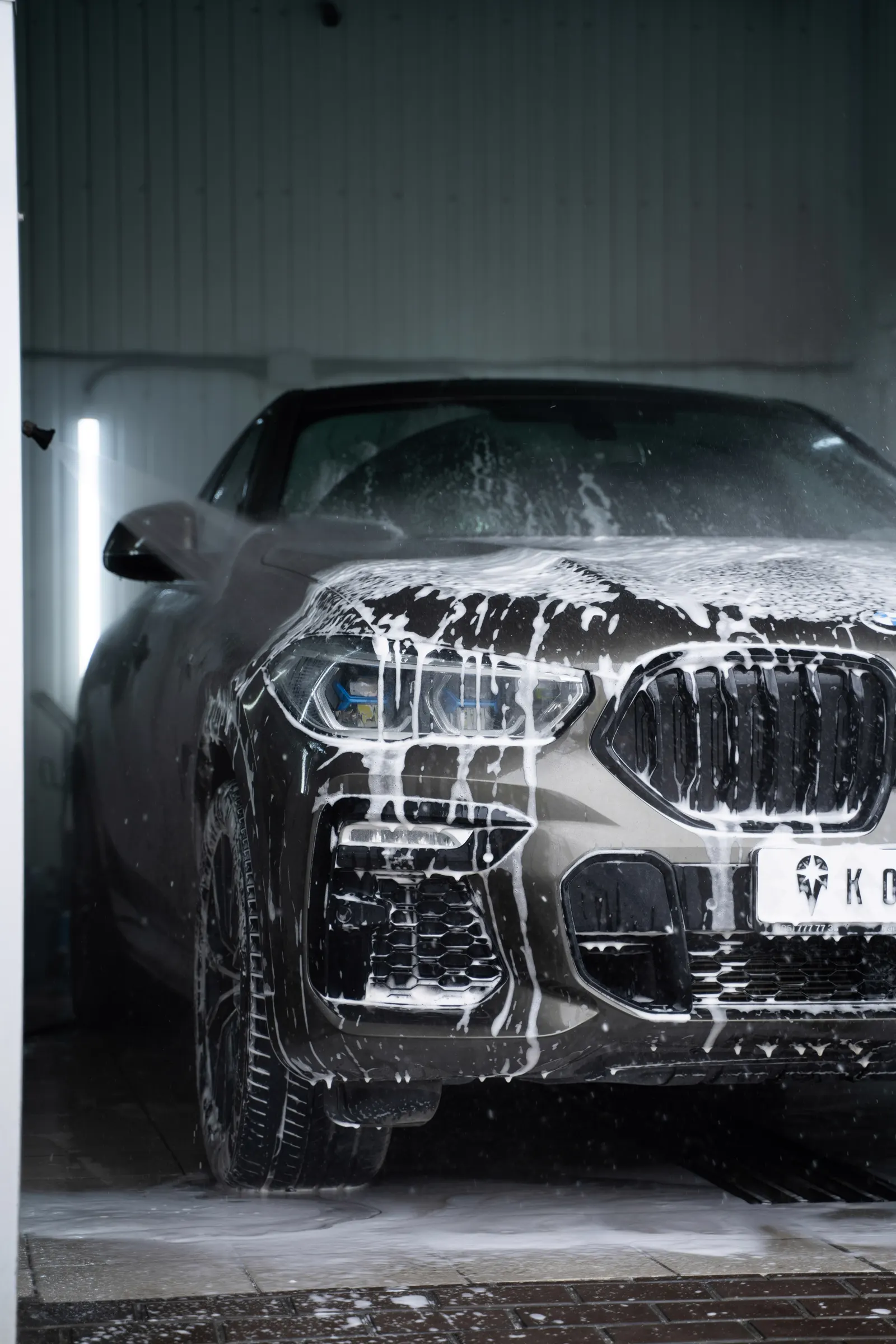
Protecting car paint in Pune is less about one miracle product and more about reducing repeated damage. Strong sunlight, airborne dust, road grit, tree sap, bird droppings, hard-water spotting and monsoon contamination affect the finish in different ways. The most effective plan combines safe washing, prompt contamination removal, sensible parking and the right level of protection for the way the car is used.
A Simple Priority Order for Pune Car Owners
- Prevent avoidable contamination with sensible parking and a clean car cover only when appropriate.
- Wash safely so dirt is removed without repeatedly dragging abrasive grit across the paint.
- Remove aggressive contamination promptly and gently before heat bakes it into the clear coat.
- Correct existing defects only after a proper paint inspection.
- Add wax, sealant, coating or PPF according to the specific protection goal.
- Maintain the chosen protection instead of treating it as permanent armor.
Pune conditions that affect your car finish
Dust and construction residue
Dry dust looks harmless, but wiping a dusty panel without lubrication moves abrasive silica particles across the clear coat, creating micro-scratches and swirls. In developing sectors of Handewadi, Undri, Mohammed Wadi and Pisoli, construction traffic generates fine stone dust daily. Avoid dry cloth wiping, especially on dark paint. Rinse or pre-wash first, then use clean wash media and lubricated contact. If cementitious residue lands on the car, do not scrape it with your fingernail; seek professional decontamination before it hardens or reacts with the finish.
Strong sunlight and heat
Pune summers bring high ambient temperatures that heat up dark panels quickly. Heat makes wash water and cleaning chemicals evaporate prematurely, leaving mineral spots and soap streaks etched into the paint. Always wash in the shade, work panel by panel on cool panels, and never allow shampoo or mineral-heavy water to dry on the surface.
Hard-water spots
Many housing societies in South Pune rely on tanker or borewell water with high total dissolved solids (TDS). Water spots are concentrated mineral deposits left behind when droplets evaporate in the sun. Fresh mineral deposits may respond to an acidic water-spot remover or safe detailing wash. Older deposits can etch into the clear coat and require machine polishing. Avoid scrubbing with harsh household acids like vinegar or bathroom cleaners, which can dull clear coats and etch plastic trim.
Bird droppings and tree residue
Bird droppings contain uric acid with a pH between 3 and 4.5. When heated by the Pune afternoon sun, clear coats expand and cool down over acidic deposits, causing severe localized etching. Soften droppings by soaking them with water or a detail spray for two minutes, then gently lift them off with a plush microfiber cloth without scrubbing.
Monsoon grime
Rain does not wash a car clean. Road spray carries dissolved asphalt tar, road film, brake dust and muddy silt into lower door sills, wheel arches and crevices. During the Pune monsoon, rinse lower panels regularly and dry glass, mirrors and door jambs thoroughly to prevent mold, corrosion and stubborn watermarks.
The safest routine wash procedure
- Work on a cool surface in the shade. Never wash a car with a hot bonnet or under direct midday sun.
- Rinse loose dirt thoroughly; use a pressure washer or hose and a citrus pre-wash foam for heavier road grime.
- Clean wheels first with dedicated tools so abrasive brake dust does not cross-contaminate your paint wash mitt.
- Use the two-bucket method with grit guards, a plush microfiber wash mitt and pH-neutral car shampoo.
- Wash in straight lines from top to bottom, keeping cleaner upper panels separate from dirtier lower rocker panels.
- Rinse completely and dry using a high-GSM twist-loop microfiber drying towel or filtered warm air.
- Inspect the paint under sunlight rather than aggressively rubbing any mark that remains.
Explore our professional car wash and exterior detailing studio standards in Handewadi.
Common mistakes that create swirls and dullness
- Using the same cloth for alloy wheels, lower sills and painted bonnets.
- Allowing a society car cleaner to wipe dry road dust with a dirty duster or rough cotton towel.
- Visiting automatic brush car washes that slap abrasive bristles across clear coats.
- Using household laundry detergent or dish soap that strips protective oils and dries out plastics.
- Letting hard tap water or shampoo dry directly in the hot sun.
- Polishing the same spot repeatedly with aggressive rubbing compounds without measuring paint thickness.
- Putting a dirty fabric car cover over dusty paint, which acts like sandpaper in windy weather.
Choose protection by the problem
| Problem or Goal | Useful Starting Point | Important Limitation |
|---|---|---|
| Easier regular cleaning & gloss | Quality wax, polymer sealant or ceramic coating | Still requires careful washing technique |
| Stone chips on front panels | Paint protection film (PPF) on high-impact areas | Cannot prevent heavy structural dents or collisions |
| Visible swirls and dull haze | Paint assessment and precision paint correction | Deep scratches penetrating clear coat cannot safely be removed |
| Interior dust, spills & odours | Material-safe deep interior care and steam extraction | Heavy leather wear or deep chemical staining may remain |
| Parking dings & deep gouges | Sensible parking habits and professional denting and painting | Coatings and films are not substitutes for bodywork |
Monthly and seasonal car care checklist
| Frequency | Recommended Action |
|---|---|
| After heavy contamination | Remove bird droppings, tree sap, fresh asphalt tar or construction splatters immediately with water lubrication. |
| Every wash | Inspect paint, glass and sills; use separate wheel brushes; dry water traps around mirrors and door jambs. |
| Monthly | Check for new stone chips, mineral water spotting, edge lifting on PPF films, and verify coating water beading. |
| Before monsoon | Deep clean exterior, apply glass sealant, replace worn wiper blades, clear cowl drain plugs, and inspect door seals. |
| After monsoon | Decontaminate iron and tar buildup on lower sills, clean wheels, and inspect the cabin for hidden dampness. |
| Before protection renewal | Get a professional paint assessment instead of layering waxes over embedded industrial grime. |
When the car needs professional inspection
Book a studio assessment when a mark remains after a safe wash, a scratch catches your fingernail, paint appears cloudy or hazy under direct light, water spots keep returning, PPF edges start lifting, a coating beads water unevenly, or an interior musty odour suggests trapped moisture. A qualified inspection will tell you whether the vehicle needs chemical decontamination, paint correction, film replacement or body repairs.
A local maintenance plan for Handewadi and South Pune
Vehicles parked outdoors along Handewadi Road, Sassoon Road, Undri Chowk or NIBM may need more frequent safe rinsing than vehicles kept in covered basement parking. Owners commuting through Handewadi, Undri, NIBM, Mohammed Wadi, Kondhwa and Pisoli should base wash frequency on visible contamination rather than a rigid calendar. Wash often enough that dirt remains manageable, but make every wash gentle enough that maintenance itself does not become the main source of scratches.
PAINT PROTECTION & MAINTENANCE FAQS
How often should I wash my car in Pune?
There is no rigid calendar rule. Wash when contamination is visible, or immediately after highway rain, bird droppings or construction exposure. Commuting and parking conditions matter more than the calendar.
Can I wipe dust with a microfiber cloth?
Avoid dry wiping at all costs. Microfiber is only safe when paired with adequate liquid lubrication like quick detailer or soapy water. Dry wiping rubs grit across the paint like fine sandpaper.
Will ceramic coating prevent water spots?
A coating creates high surface tension that sheds water, but dissolved minerals in borewell water will still leave spots if droplets are allowed to bake in the hot sun. Proper drying technique remains essential.
Is a car cover good for paint?
A soft, breathable, custom-fitted cover helps in clean, covered parking. However, sliding a dirty cover over a dusty vehicle in windy outdoor parking will mar the paintwork.
What should I do after cement or paint overspray lands on the car?
Do not scrape it with sharp blades or fingernails. Keep the area wet and visit a detailing studio promptly so specialists can use safe chemical dissolution techniques before it cures.